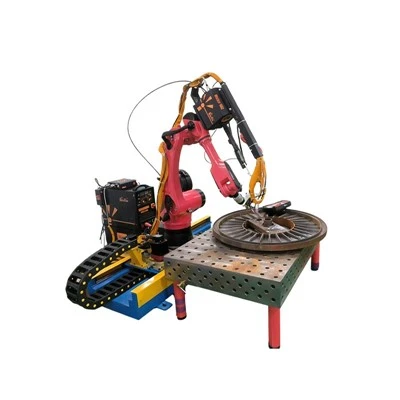
1) Cleaning the Robotic Arm
Regularly clean the robotic arm base and arm. High-pressure cleaning equipment can be used, but direct spraying onto the robotic arm should be avoided. If the robotic arm has a protective film such as grease, remove it as required. (Avoid using strong solvents such as acetone; avoid using plastic protective materials; to prevent static electricity, use a damp or slightly moistened cloth to wipe non-conductive surfaces such as spraying equipment and hoses. Do not use a dry cloth.)
2) Cleaning and Maintenance of the Hollow Wrist
The hollow wrist should be cleaned frequently as needed to prevent the accumulation of dust and particles. Use a lint-free cloth for cleaning. After cleaning, a small amount of petroleum jelly or similar substance can be applied to the wrist surface for easier future cleaning.
3) Regular Inspection
Check for oil leaks; check for excessive gear backlash; check for damage to the cables between the control cabinet, purging unit, process cabinet, and robotic arm.
4) Inspection of Fixing Bolts
The fastening bolts and clamps that secure the robotic arm to the foundation must be kept clean and should not come into contact with water, acidic or alkaline solutions, or other corrosive liquids. This avoids damage to fasteners; if the galvanized layer or coating is damaged, the relevant parts should be cleaned and coated with an anti-corrosion coating.