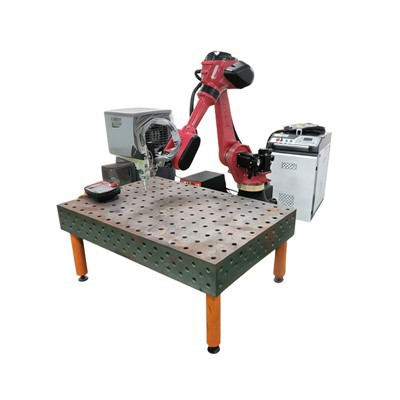
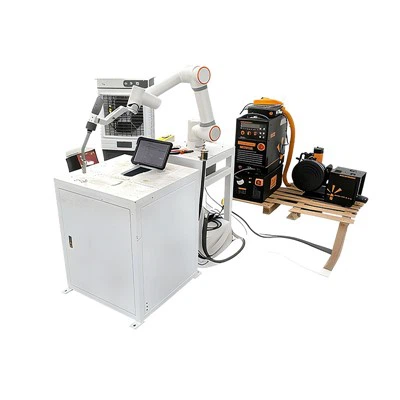
Industrial robots and automation systems are highly integrated technologies, concentrating and integrating multiple disciplines and technical fields. These include industrial robot control technology, robot dynamics and simulation, finite element analysis for robot construction, laser processing technology, modular programming, intelligent measurement, integrated modeling and machining, factory automation, and precision logistics, among other advanced manufacturing technologies.
Industry applications are wide-ranging. Industrial robots and automation systems are key equipment in the production process, used in manufacturing, installation, testing, and logistics. They are widely applied in numerous industries such as automotive manufacturing and parts, construction machinery, rail transportation, low-voltage electrical appliances, power, IC equipment, military, tobacco, finance, pharmaceuticals, metallurgy, and printing and publishing.
Technologically advanced, industrial robots integrate precision, flexibility, intelligence, and software application development into advanced manufacturing technologies. By implementing process detection, control, optimization, scheduling, management, and decision-making, they increase output, improve quality, reduce costs, and decrease resource consumption and environmental pollution, representing the highest level of industrial automation.
Technological upgrades to industrial robots and automated complete sets of equipment feature precision manufacturing, precision processing, and flexible production. They represent a new generation of production tools that comprehensively extend human physical and intellectual capabilities, following power machinery and computers. They are also an important means to achieve digitalization, automation, networking, and intelligence in production.