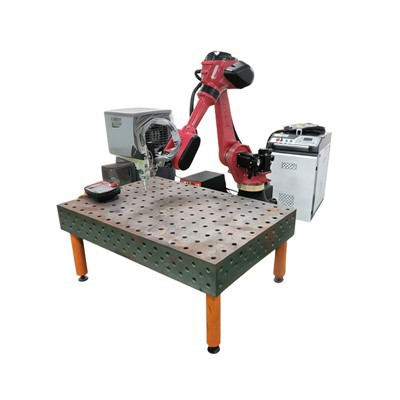
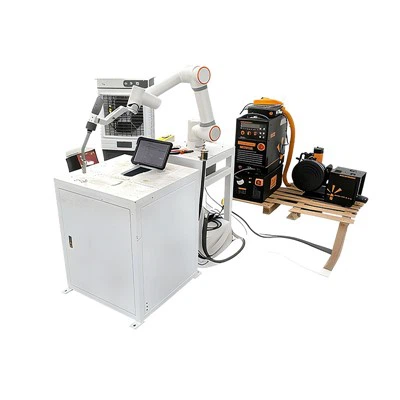
An injection molding robot typically consists of an execution system, a drive system, and a control system. The execution and drive systems are designed to perform the normal functions of the arm, using pneumatic or hydraulic power to drive the mechanical components and achieve the picking function. The control system controls the drive system, ensuring the execution system operates according to a predetermined process. Taking a simple robot control system as an example:
Human-Machine Interface ←→ Injection Molding Machine Mold Opening Complete Signal ←→ Microcontroller ←→ Injection Molding Machine Robot Signal ←→ Various Valve Signals ←→ Execution Cylinder
The operator operates through the human-machine interface. When the robot receives an executable signal from the injection molding machine, it cuts off the injection molding machine's mold closing signal to ensure the safety of picking up the product. After picking up the product, the robot resumes the injection molding machine's operation. The design challenge of the control system lies in the coordinated working relationship between the robot and the injection molding machine. Under the command of the control system, the robot completes various actions according to the predetermined work procedure, thereby removing the injection-molded product from the mold and transferring it to a designated location or the next production process. When designing, the control system should be determined based on the performance of the injection molding machine, the operating conditions and requirements of the robot, and the shape and weight of the product.